Retaining walls are used to preserve the landscape or to level sloping ground. Made from concrete, stone, brick, wood or rebar, retaining walls can withstand the weight of soil and water; but it is not always advisable to put retaining walls on top of each other.
Neglecting to inspect walls for signs of damage can result in costly repairs, ruined landscaping, drainage problems or even the collapse of the entire wall. Understanding signs that a wall is beginning to crumble will help homeowners fix a problem, before it becomes serious.
Reasons for Failure of Retaining Walls
There are many things that can cause damage to retaining walls. Some of these include:
- Poor drainage behind the retaining wall
- Overburden on soil
- Degradation of materials
- Poor installation
- Repeated freeze-thaw cycles
- Heavy rains
- Erosion of soil
- Root invasion
- Movement of the ground
Signs of Cracking in the Wall
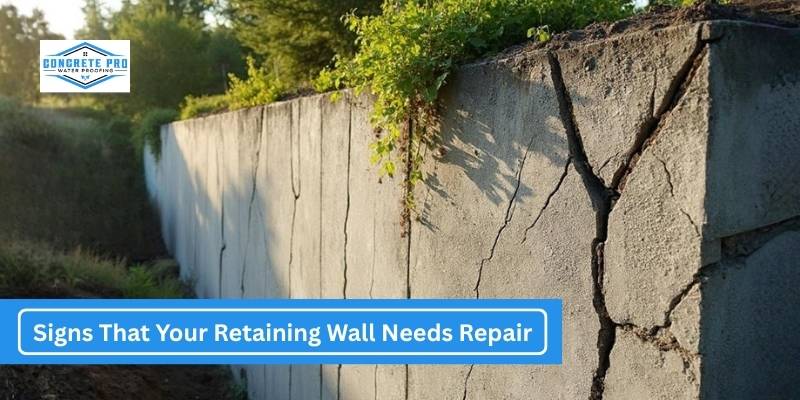
The appearance of cracks on the retaining wall is one of the most typical indications that there is an existing problem.
What to Look Out For
- Horizontal cracks
- Vertical cracks
- Staircase cracks in masonry walls
- Cracks that widen
While small hairline cracks are expected due to settling, larger or expanding cracks are cause for concern.
Why This Is Important
Water can enter the wall through cracks, exacerbating the situation. Infiltration of water can lead to deterioration and erosion, as well as increased hydrostatic pressure against the wall.
Bulging or Bowing Sections
It is important that a retaining wall be straight. Bowing and leaning of the retaining wall are very bad signs.
Reasons include:
- Excessive pressure on the wall from soil
- Lack of proper drainage
- Insufficient support for the foundation
- Improper retaining wall design
Need for Immediate Action
Bowing shows that the retaining wall cannot withstand the pressure from the soil behind it. There is a possibility that the retaining wall will fall down.
Prompt action must be taken.
Leaning or Tilting Walls
Retaining walls that appear to lean are structurally unstable.
Indications of Leaning
- Obvious tilt toward one side
- Inconsistent straightness of wall
- Shift in wall position over time
Possible Dangers
Walls that lean suggest that there is something moving within the wall structure or the soil beneath.
Continued shifting can lead to wall failure, damage to property and potential dangers to people.
Lack of Proper Drainage and Water Collection
One of the most frequent culprits of damage to retaining walls is water.
Signs of Problems
- Puddles or standing water around the wall
- Seepage of water from cracks
- Moisture present on the wall itself
- Erosion of soil behind the wall
Importance of Drainage
Drainage features are built into walls, to allow water to escape the structure. With improper or inadequate drainage, hydrostatic pressure forms behind the retaining wall.
Hydrostatic pressure greatly stresses the wall.
Soil Erosion Near the Retaining Wall
Evidence of soil being washed out near your retaining wall could be a sign of either a drainage problem or a structural problem.
Look for symptoms like:
- Visible roots
- Soil washout
- Sinkholes
- Openings in the wall
This will make the soil less stable and cause the wall to move.
Separation Among Wall Elements
Walls constructed from block, stone or brick materials must be carefully aligned.
Look out for:
- Space between blocks
- Loose stones
- Moving parts of the wall
- Misaligned joints
Reason for Concern
Separation is a sign of movement or too much pressure. When elements of the wall start moving, structural stability is quickly compromised.
Timely maintenance is crucial, to avoid more extensive damage.
Why Early Repairs Save Money
Property owners often put off repairs, when the problem doesn’t seem serious at first glance; however, retaining wall damage rarely heals itself.
Early repairs can:
- Prevent total collapse
- Minimize repair expenses
- Protect landscaping investments
- Increase property value
- Provide a safer environment
- Increase the retaining wall’s life
Solving small problems now can be much cheaper than replacing the wall later.
Conclusion
Retaining walls are crucial components in creating stability and helping to protect against erosion, as well as creating a positive aesthetic. Unfortunately the combination of soil pressure, moisture, weather and natural degradation can cause retaining walls to fail over time.
If property owners can recognize warning signs early—bulging or leaning walls; cracks; drainage problems; and/or soil erosion—they will be able to address them before they create large, complicated, expensive repair issues or cause the wall to fail structurally.
Regularly inspecting and maintaining retaining walls will not only extend their life expectancy, but will also help protect the value of your property, landscaping and investment, for years to come.
If you notice cracks, leaning walls, drainage issues or soil erosion around your retaining wall, professional inspection and repair can help prevent more extensive structural damage. Learn more about our Foundation Repair and Maintenance Services or Foundation Drainage Solutions.