
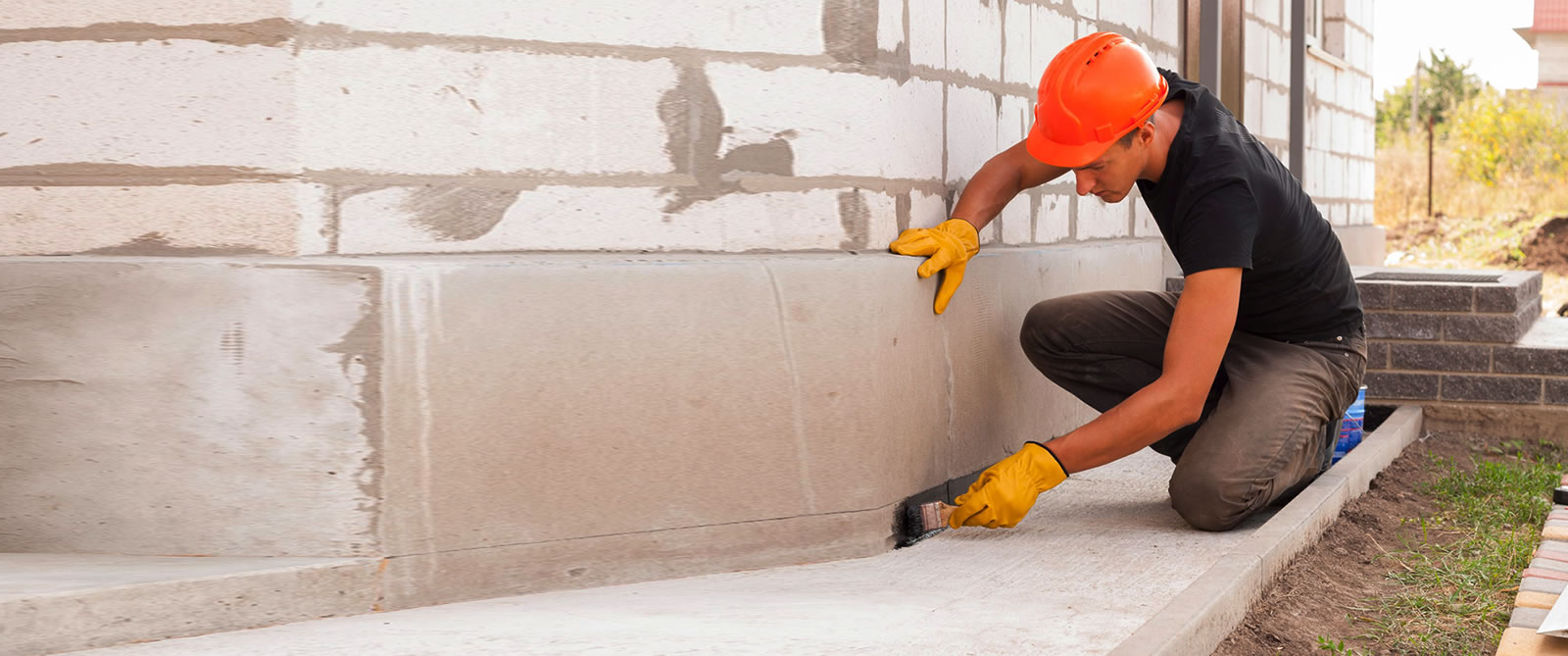

There are some big things in life, like buying a home. It’s tempting to get caught up in thinking about all the great aspects of a home, but there's something else that needs to be considered – the foundation.
The foundation in your home holds everything together. When there are problems, they don’t stop at just a few cracks in the foundation. Foundation problems can result in structural damage, water problems, uneven floors, stuck doors, and costly fixes.
That doesn’t mean you have to turn your back on a home because of its foundation. It does mean that you need to know what to look for and what to ask when you’re inspecting a home. You need to make sure that you fully understand everything before you sign anything.
Here are some foundation issues every home buyer should be aware of before making a purchase.
Why is the Foundation Important?
The foundation of a house can be thought of as the basis upon which everything else stands. All of the walls, floors, ceilings, roof systems, windows, and doors need the foundation to stay in place over time.
If there is movement in the foundation or settlement that occurs in an imbalanced way, it is possible that everything else in the house will move along with it. Sometimes even minor problems that are cosmetic in nature can be the first indicator of bigger problems lying underneath.
Not All Cracks Are a Serious Issue:
- The only thing that the buyers usually get wrong when buying a house is that all cracks mean structural problems.
- It is important to understand that concrete cracks as it ages and sets. Hairline cracks can be common in some houses and do not necessarily need repair.
However, problems start when the crack continues growing or appears along with other symptoms of foundation failure.
Here are some cracks you should be aware of, particularly those that:
- Are large enough to fit a coin in
- Have a stair-step formation in brick/block walls
- Are horizontal on foundation walls
- Are continuing to grow over time
- Are accompanied by water entry and/or wall bowing
Instead of making assumptions, it is better to have any suspicious cracks checked by a foundation expert.
Warning Signs During the Inspection Tour of Your Home:
Foundation issues are not always apparent immediately. During your tour of the property, look out for signs such as:
- Doors that won’t close.
- Windows that are hard to open/close.
- Large gaps between the window/door frame and the window/door.
- Cracks in the drywall, especially near doors.
- Separation between the moldings and the rest of the wall.
- Listed/leaning chimney.
- Sagging floors.
- Gaps between walls and ceiling.
- Cracks in brick/masonry exterior of the home.
Each one of these warning signs on its own is indicative of something different.
Inquire About the House's History:
If you want to buy a house, you don’t have to be scared about asking. The questions that you should ask might include:
- Has the house had any past repairs for its foundation?
- When were these repairs carried out?
- Who made the repairs – a certified contractor?
- Can a transferable warranty be provided?
- Did the house ever have flooding or drainage problems?
- Are there any recurring foundation problems?
- Have any engineering studies been conducted?
A good foundation repair can work perfectly fine for decades if done right. Documentation is an important way to build confidence in your buyer
Never Bypass the Home Inspection:
A typical home inspection is probably one of the wisest decisions you can make during the purchase process.
An experienced home inspector will detect numerous signs of structural shifting and may recommend an inspection of this particular issue. It is also worth noting that home inspectors are professionals with general expertise.
In case any doubts regarding the structure arise during a home inspection, a structural engineer should be consulted to carry out an additional inspection. The price of this additional inspection is minimal in comparison with the costs of unforeseen structural repairs.
Understanding Foundation Problems
Foundations don't generally fail all of a sudden. They usually occur due to environmental factors causing problems within the soil under the structure over time.
Some of the more common causes include:
Expansive Soil
- Soils that expand greatly when they're wet and contract when they're dry.
Poor Drainage
- The accumulation of water at the home's perimeter can make the soil soft, cause increased hydrostatic pressure, and result in the movement of the foundation.
Plumbing Leakages
- Underground plumbing leakages may erode the supportive soil or cause uneven moisture in the soil under the foundation.
Construction Problems
- Faulty site preparation, poor compaction, and lack of proper reinforcements during construction can cause early problems with the foundation. It is equally important to know why and how.
Conclusion
The presence of foundation problems does not necessarily mean that the house is a poor investment. Often, these have either been fixed or are able to be solved with the appropriate method. The key is knowing the status of the foundation prior to purchasing the property.
Invest some time and effort into checking things out, questioning and seeking solutions to any issues you may uncover. It could save you a lot of money – and headaches – down the road.
Remember, when buying a home, that nice surfaces can be upgraded. A solid foundation, on the other hand, will be what really holds up your investment.