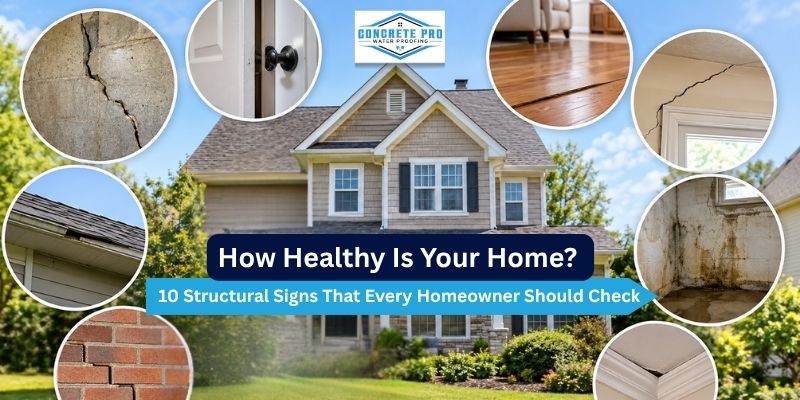
Your home may look perfectly fine from the outside; but some structural problems can develop quietly, behind walls, beneath floors or around the foundation. Small changes—such as a new crack, sticking door or uneven floor—can sometimes be early indicators that your home’s structure needs attention.
Not every crack or creak means that your house has a serious structural issue. Homes naturally settle, materials expand and contract, and minor cosmetic imperfections are common. The key is knowing which signs deserve a closer look. Here are 10 structural warning signs that every homeowner should know.
1. Cracks in Foundation Walls
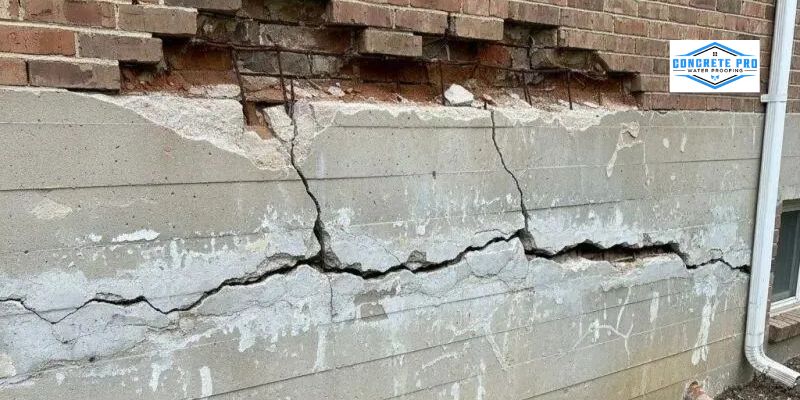
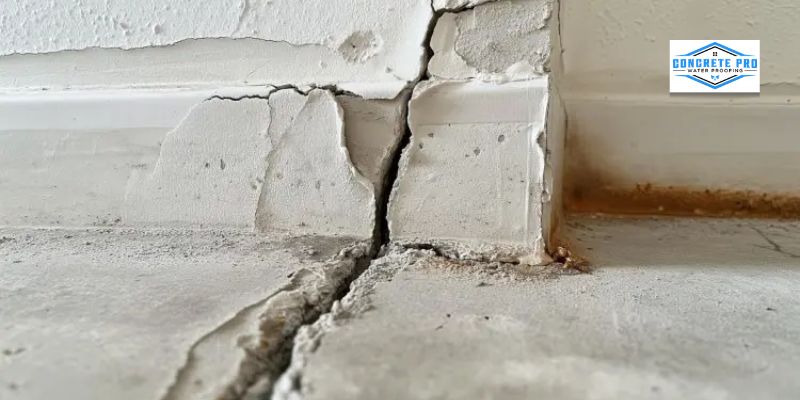
Foundation cracks are among the most important signs to monitor.
Small hairline cracks can sometimes result from normal concrete shrinkage; however, large, widening, horizontal, stairstep or diagonal cracks may indicate movement or pressure affecting the foundation.
Pay particular attention if a crack:
- Continues to grow over time
- Is wider at one end
- Appears horizontally across a foundation wall
- Allows water to enter the basement
- Is accompanied by bowing or leaning walls
If you notice these changes, consider having the foundation professionally evaluated.
2. Doors and/or Windows That Suddenly Stick
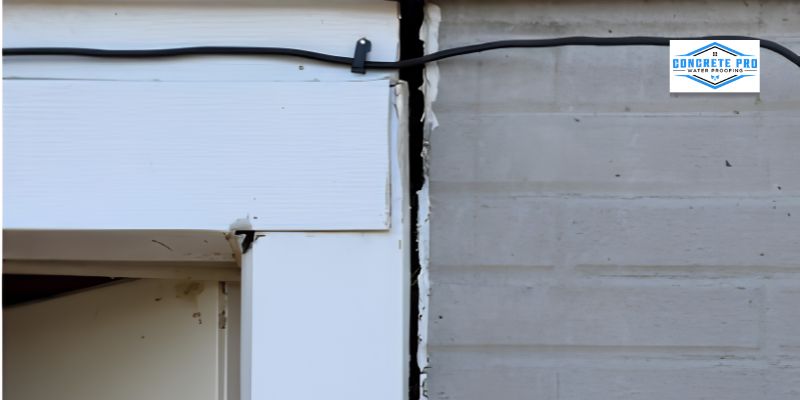
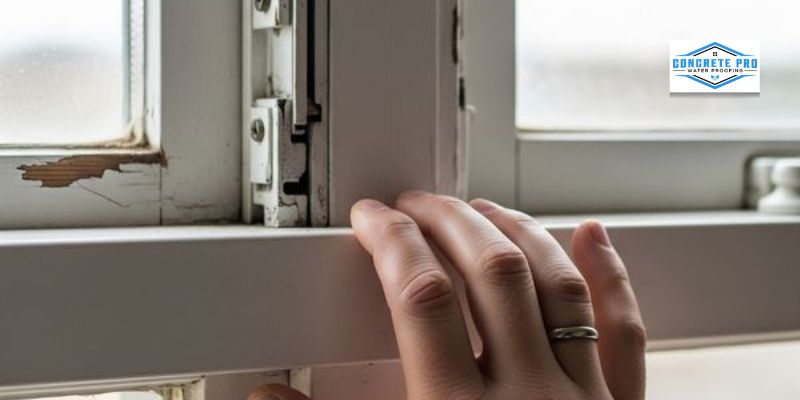
A door that occasionally sticks isn’t necessarily a structural concern. Humidity and seasonal changes can cause wood to expand; but if multiple doors or windows suddenly become difficult to open or close, the pattern deserves attention.
Structural movement can change the shape or alignment of door and window frames. You might notice:
- Doors that no longer latch properly
- Gaps around frames
- Windows that become difficult to operate
- Doors that swing open or closed on their own
- Cracks developing around door or window corners
When several openings are affected at the same time, don’t assume that it’s simply a hardware problem.
3. Uneven or Sloping Floors
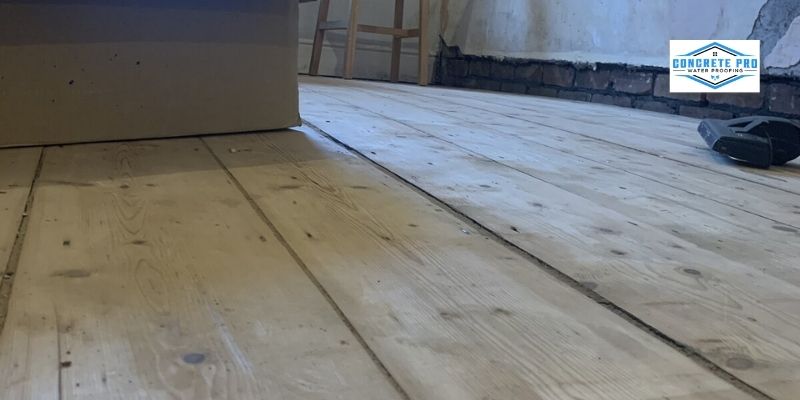
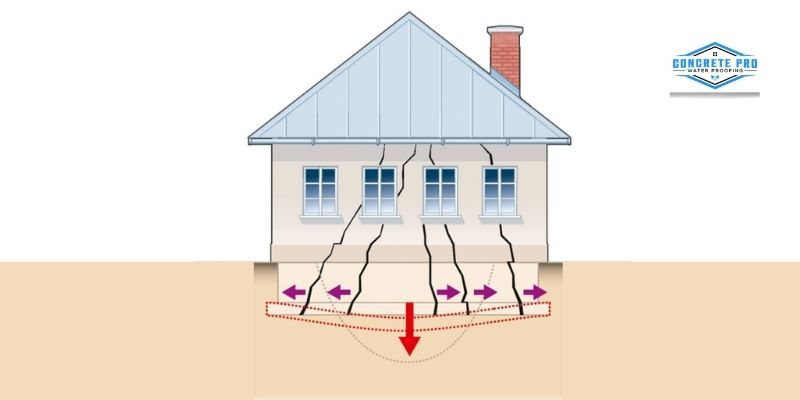
Floors aren’t always perfectly level, especially in older homes; however, noticeable or worsening slope can sometimes indicate movement beneath the floor system.
Possible causes include:
- Foundation settlement
- Soil movement
- Damaged floor joists
- Moisture related deterioration
- Structural beam problems
You may notice furniture rocking, objects rolling toward one side of a room, or a floor that feels noticeably uneven, when walking across it.
If the condition appears to be getting worse, a professional assessment can help identify the underlying cause.
4. Cracks Above Doors and Windows
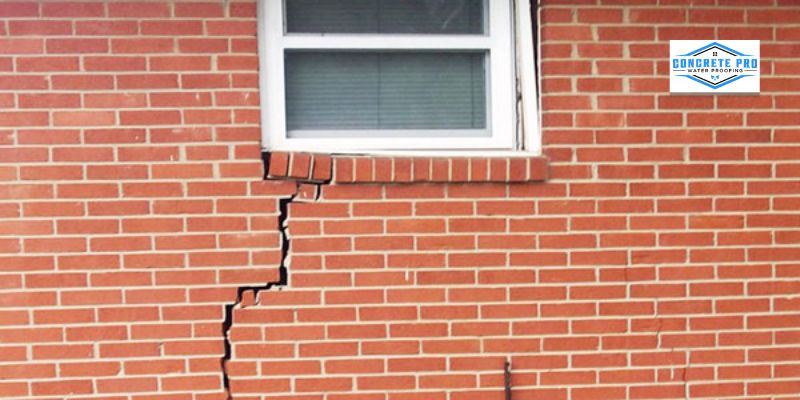
Not all wall cracks are created equal.
Cracks that appear diagonally from the corners of doors and windows can sometimes indicate movement within the wall or foundation.
In brick or masonry homes, stairstep cracks also deserve closer inspection, particularly when they are:
- Wider than typical hairline cracks
- Growing over time
- Accompanied by displacement
- Appearing in multiple locations
Instead of simply filling the crack, homeowners should first determine why it formed.
5. Sagging or Bowing Rooflines
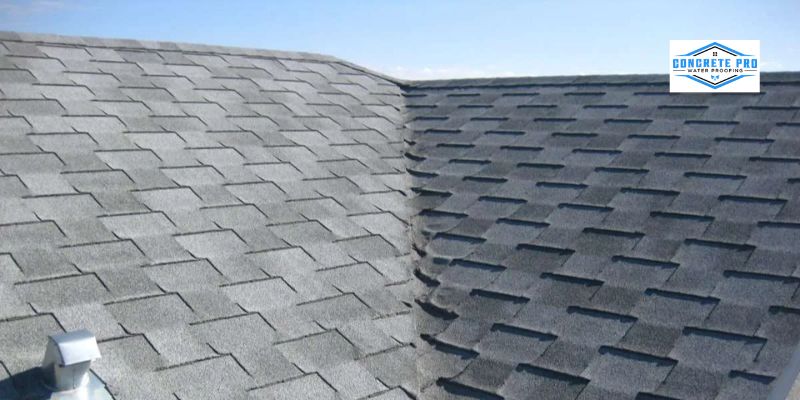
Take a look at your roofline from the street.
A healthy roof should have a generally consistent appearance. A visible dip, sag or uneven section may indicate a problem with the roof’s framing or supporting structure.
Potential causes can include:
- Damaged rafters or trusses
- Excessive moisture
- Long-term water intrusion
- Deteriorated structural materials
- Overloaded roofing systems
Roof problems can progress quickly, so visible sagging should not be ignored.
6. Walls That Appear to Bow or Lean
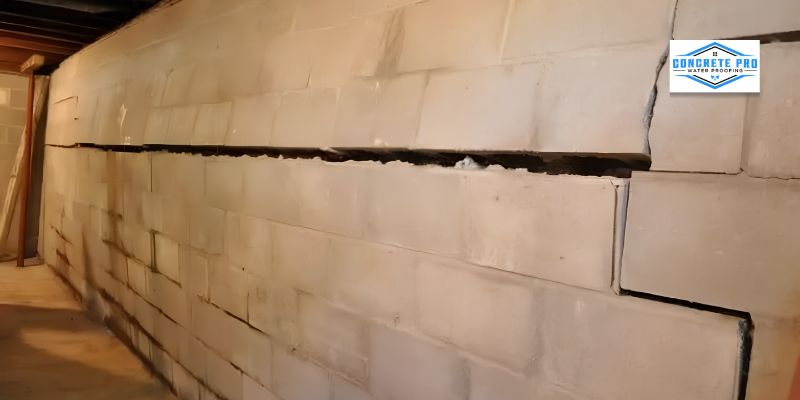
Stand back and look along your walls. Do they appear straight and vertical?
A wall that visibly bows inward, bulges outward or leans can indicate structural movement. This is especially serious in basements, where foundation walls can experience pressure from surrounding soil.
Signs to watch for include:
- Horizontal foundation cracks
- Wall displacement
- Cracks near corners
- Gaps between walls and ceilings
- Increasing bowing over time
These symptoms can sometimes be associated with foundation movement and should be professionally evaluated.
7. Gaps Around Ceilings, Walls or Trim
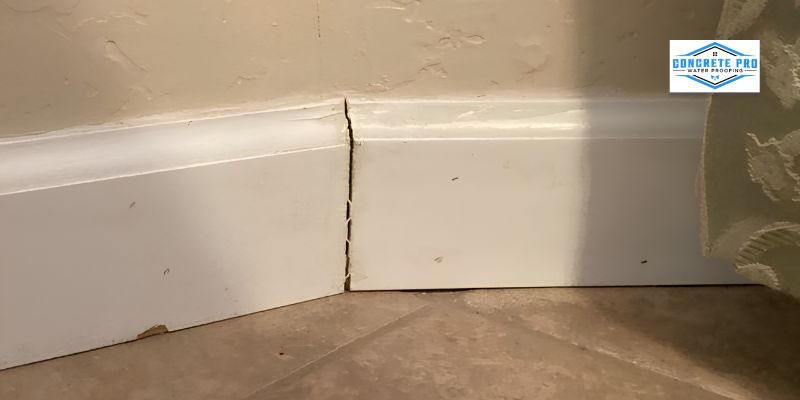
Small gaps can develop naturally, as building materials expand, contract or age; however, new or expanding gaps may indicate movement.
Look for:
- Separation between walls and ceilings
- Gaps between baseboards and floors
- Trim pulling away from walls
- Crown molding separating at joints
- Visible gaps around door frames
One isolated gap may be cosmetic. Several new gaps appearing throughout the house could point toward a larger issue.
8. Water Damage Near the Foundation
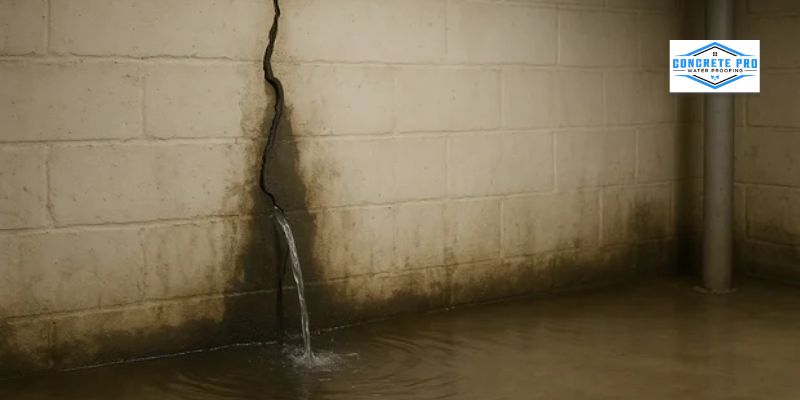
Water is one of the biggest long-term threats to a home’s structure.
Repeated water intrusion can contribute to deterioration, mold growth, corrosion, wood rot and damage to structural materials.
Check your basement, crawl space and areas around the foundation for:
- Water stains
- Damp walls
- Efflorescence
- Musty odors
- Peeling paint
- Wood rot
- Standing water
Don’t just remove the visible water. Find and address the source.
Poor drainage, clogged gutters, grading problems, plumbing leaks and foundation cracks can all contribute to moisture issues.
9. Cracked or Deteriorating Masonry
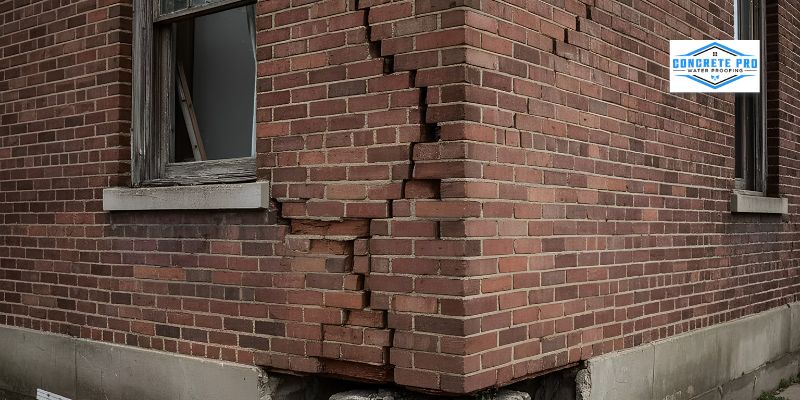
Brick, block and stone are durable materials; but they can still develop structural problems.
Watch for:
- Stairstep cracks
- Horizontal cracks
- Bulging brick walls
- Loose or displaced masonry
- Crumbling mortar
- Large vertical cracks
Masonry damage can sometimes be caused by moisture, freeze-thaw cycles, settlement or movement within the building.
The pattern and location of the damage matter just as much as the size of the crack.
10. Cracks That Keep Getting Bigger
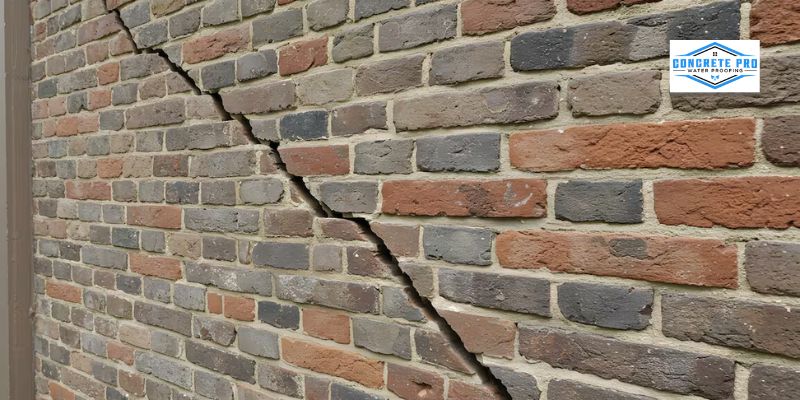
Perhaps the most important sign isn;t the crack itself; it’s change over time.
A small crack that remains stable may be less concerning than a crack that continues to widen, lengthen or develop new branches.
Take photos when you first notice a crack and record:
- Date discovered
- Location
- Approximate width
- Length
- Whether it changes over time
If the crack continues to change or appears alongside other structural symptoms, it’s time to seek professional advice.
What Causes Structural Problems?
Structural issues can have many different causes. Some of the most common include:
Soil Movement
Expansive, shrinking or poorly compacted soil can place stress on foundations.
Water and Drainage
Poor drainage and prolonged moisture exposure can affect soil conditions and building materials.
Foundation Settlement
Different portions of a home can settle at different rates, potentially creating cracks and alignment problems.
Poor Construction
Design or construction deficiencies can contribute to structural problems over time.
Aging Materials
Wood, concrete, masonry and other materials naturally deteriorate, particularly when exposed to moisture.
Extreme Weather
Heavy rain, flooding, storms and temperature changes can put additional stress on a home’s structure.
Cosmetic Crack or Structural Warning Sign?
This is one of the biggest questions that homeowners have.
A cosmetic crack is often:
- Very thin
- Limited to paint or drywall
- Stable over time
- Not associated with other movement
A potentially more significant structural crack may be:
- Widening
- Horizontal or stairstep shaped
- Accompanied by displacement
- Repeated across multiple areas
- Associated with sticking doors or uneven floors
- Allowing water into the home
The pattern, location, size and progression all matter.
When Should You Call a Professional?
You don’t need to panic, every time you discover a crack. Professional evaluation is worth considering, when you notice multiple symptoms occurring together.
For example:
Foundation crack + uneven floor + sticking doors = worth investigating
Or:
Water intrusion + bowing foundation wall + horizontal crack = don’t ignore it
A professional can assess the symptoms together and help determine whether the issue is cosmetic, maintenance related or structural.
A Simple Home Structural Check
Set aside 15 to 20 minutes every few months, to inspect your home.
Check Your Foundation
Look for new cracks, widening cracks, water intrusion or wall movement.
Check Your Floors
Walk through each room. Pay attention to new slopes, dips or unusual movement.
Check Doors and Windows
Open and close several doors and windows. Note any sudden changes.
Check Your Walls
Look for diagonal cracks, separation, bowing or gaps.
Check Your Roofline
From a safe location on the ground, look for visible sagging or unusual dips.
Check Your Basement or Crawl Space
Look for moisture, staining, rot, cracks and musty odors.
Document Changes
Photograph anything unusual, so you can compare it during future inspections.
Don’t Wait for a Small Problem to Become a Big One
Your home’s structure doesn’t always announce a problem with a dramatic failure. Often it gives you small clues first:
- A new crack
- A sticking door
- An uneven floor
- A sagging roofline
- A damp basement
Individually some of these signs may be harmless; but when they appear together—or continue getting worse—they deserve attention.
Regular inspection and early professional evaluation can help homeowners understand what’s happening, before a manageable issue becomes a much more expensive repair.
Conclusion
A healthy home isn’t simply one that looks good; it’s a home with a stable foundation, sound structural components, proper drainage and no unexplained signs of movement or deterioration.
If you notice something changing, don’t simply cover it with paint or patch it and forget about it. Find the cause, monitor the change and get professional help when necessary.