
Every homeowner has experienced it at some point—a small crack in the wall, a door that suddenly sticks or a floor that feels slightly uneven. At first these changes seem harmless. Most people assume it is simply normal settling or everyday wear and tear.
But foundation problems rarely appear all at once. They usually begin quietly.
What starts as a minor issue can gradually develop into a larger structural problem that becomes expensive and disruptive to repair. That’s why checking your foundation before visible damage becomes severe is so important.
The Silent Shift: Why Foundations Start to Change
The soil beneath a foundation does not always remain stable; and shifting soil can affect the structure above it. Soil expands during wet conditions and contracts during dry periods. Over the years the soil of some areas may become soft, due to poor drainage. In some cases gradual erosion weakens the soil supporting critical areas of the home.
Over time this movement results in slight changes—not at all dramatic initially, but enough to impact alignment, pressure distribution and structural balance. Your home adapts to it: doors starting to stick, floors slightly uneven and small cracks appearing. Because these changes take place over a period of time, people get used to them, without realizing that anything is amiss.
This is why building foundation problems are so prevalent.
Common Foundation Issues That Homeowners Miss
1. Hairline Cracks That Seem Harmless
These often overlooked warning signs take the form of small hairline cracks on walls, ceilings or external brickwork.
Not every crack indicates serious structural damage, but the size, direction and pattern of the crack matter. If the crack is horizontal, widening or repeatedly appearing in the same location, it may mean that the pressure underneath the house is changing.
2. Uneven or Sloping Floors
It is easy not to notice that the flooring is a bit off level. Furniture compensates, rugs hide imperfections, and life goes on.
However, there is a reason that floors become uneven. It may be a sign of soil settling under the home’s foundation or support beams failing under the house. What appears minor today can eventually create larger structural and safety concerns.
3. Doors and Windows That Stick
One of the most frequent signs that homeowners overlook—leaky windows and/or doors that need more force to open or close than usual—could indicate that the building is shifting. Minor foundation shifts can wreak havoc on the home’s alignment. Many homeowners incorrectly assume that this is caused only by humidity or seasonal weather changes.
4. Gaps Between Walls and Ceilings
Any gaps between walls and ceilings/baseboards can indicate a structural shift. These gaps can develop slowly over time (traditionally without notice), until they become visually obvious.
By this time the foundation is likely to have been stressed for some time.
5. Water Pooling Around the Home
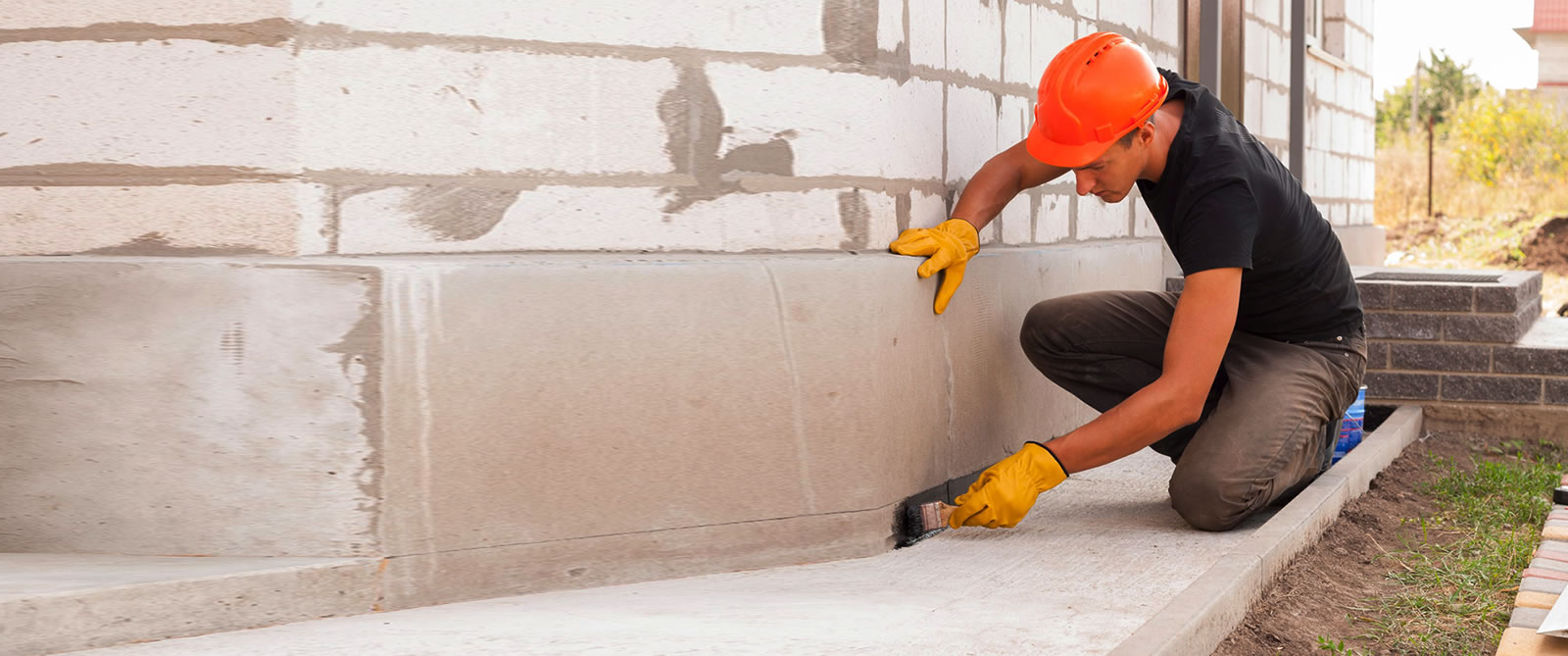
One of the worst long-term problems that a foundation can face is water. Stagnant water can gather around the foundation of a house, due to poor drainage or blocked gutters or from the level of soil around the house.
Eventually this causes erosion of the soil and deteriorates the foundation wall’s stability. Many homeowners repair the symptoms of a problem, without dealing with the root cause on the outside of the home.
Why These Issues Often Go Unnoticed
Most homeowners are not constantly inspecting their homes for structural issues. The majority of symptoms that cause a foundation problem occur over a period of time, and the brain adapts to them. If the door sticks today, that is simply the way it is. Once a crack is formed, it is “old damage.” After months of familiarity, homeowners no longer notice a slight slope where people walk.
Time is also a consideration. Foundation related problems rarely appear all at once. They form gradually (between seasons, after storms and during dry spells) and are easy to miss. When visible damage is evident, the root cause has most likely become substantial.
The Cost of Waiting Too Long
Delaying a foundation inspection can allow small issues to grow into more serious and expensive structural problems.
This may progress from a simple crack seal to a drainage correction to:
- Foundation reinforcement work
- Structural leveling
- Wall reconstruction
- Water damage remediation
- Repairs and repainting of interior walls and ceilings
In other words, little problems add up. The sooner a problem is detected, the easier the solution is to implement…and the less disruptive.
Why Now Is the Right Time to Check
Transitions between seasons require careful attention, for your foundation’s health. Soil and structural materials are subjected to extra stresses, as a result of temperature and moisture fluctuations. New cracks and damage in foundations typically appear after rain or extended dry spells. Homes that have yet to exhibit a problem can start to move slightly.
Proactive inspections during these times can help identify early signs of issues, helping to prevent the need for expensive repairs. Consider it more of a preventive measure than maintenance.
What a Professional Foundation Check Reveals
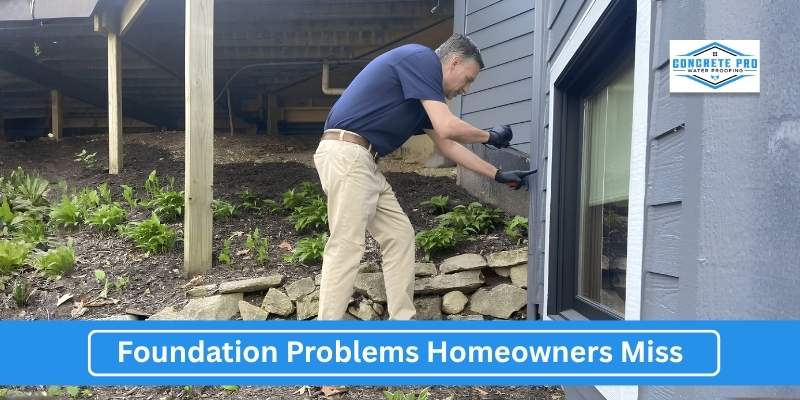
A proper inspection is more than just a cursory glance. Professionals evaluate:
- Structural alignment
- Soil composition around the house
- Water flow/movement
- Load bearing stability
- Invisible cracks and internal stresses
This in-depth evaluation can not only determine surface damage, but also uncover the cause(s).
Conclusion
A strong home does not start with walls or roofing. It starts with your foundation—one of the most important parts of your home, even if it is rarely noticed. Foundation issues rarely appear overnight. They build quietly, gradually and often invisibly. By the time they become obvious, the repair path is usually longer and more expensive than it needed to be.
Checking your foundation now is less about finding problems and more about preventing them from growing unnoticed. Concrete PRO is here to help homeowners identify early warning signs, understand structural health and protect the stability of the place that you call home.